Measure before you choose
Measure the width, depth and height of the space, then measure the things you plan to store. Shelf depth is where most mistakes happen. Shelves deeper than about 40 centimetres let items hide behind each other; shallower shelves, around 25 to 30 centimetres, keep everything in a single visible row. Note skirting boards, sockets, pipes and door swings, and allow a little clearance so doors and drawers can open fully.
Then think about weight. Paint tins, bottled water and bulk detergent are far heavier than they look. Check the load rating for each shelf, not just for the whole unit, and keep the heaviest items low.
Give every height a job
Garage shelving that keeps the floor clear
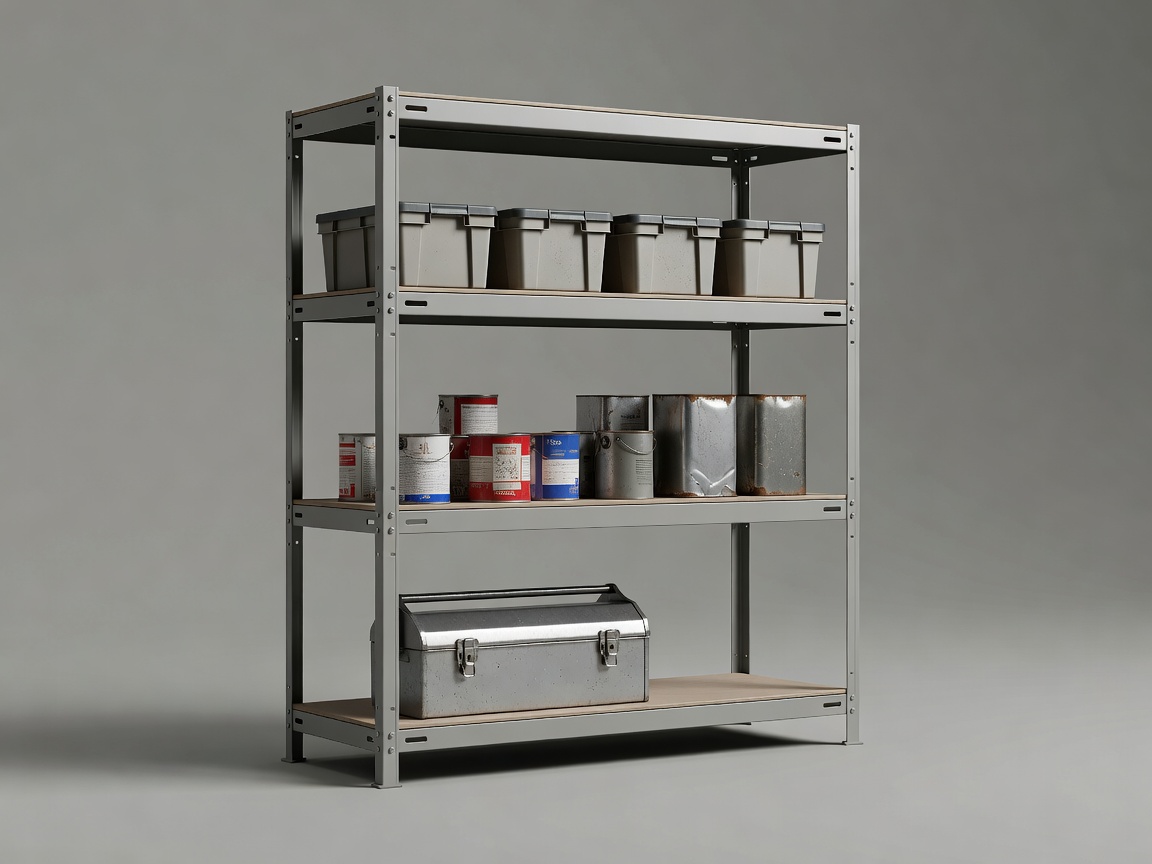
Garages collect overflow from the whole house, so they benefit most from a plan. Line one wall with sturdy freestanding units or wall-mounted rails, and keep the floor for vehicles, bikes and walking space. Raise the lowest shelf off the ground; concrete floors can be damp, and cardboard soaks it up. Use lidded plastic crates for anything that matters.
Group the garage by activity rather than by object: gardening, car care, DIY, sport, seasonal. Each group gets a section of shelving and a label at eye height. Store paints, solvents and fuel away from heat sources and out of reach of children, and keep them in their original containers.
Modular cabinets: closed for calm, open for speed
Modular cabinet systems let you combine doors, drawers and open shelves. Use closed cabinets for things that collect dust or look busy, such as spare bedding, paperwork and bulk paper goods. Use open shelves or wire baskets for things you reach for daily. Drawers suit small items that otherwise tumble together: tape, string, chargers and batteries.
Before buying, check that the system's widths suit your space. A cabinet that leaves a 7-centimetre gap is a magnet for lost items; a slim pull-out or a filler panel turns that gap into storage or closes it neatly.
Use the awkward spaces
Under-stair cupboards suit deep pull-out drawers rather than fixed shelves, because you can bring the back of the space to you. The strip above a door can take a single high shelf for rarely used items. Alcoves beside a chimney breast take floating shelves well. Sloped ceilings in lofts and eaves suit low, stepped units that follow the roof line.
Fix it safely
Tall freestanding units should be anchored to the wall with the anti-tip fixings supplied, especially in homes with children who may climb. Use fixings suited to your wall: plugs and screws for masonry, cavity fixings or stud locations for plasterboard. If you are unsure what is behind the wall, use a detector before drilling to avoid cables and pipes.
- Measure space, items and clearances
- Check per-shelf load ratings
- Assign a job to each height band
- Anchor tall units to the wall
- Label shelves at eye height